
What makes the GodHand SPN-120 Ultimate Nipper stand out
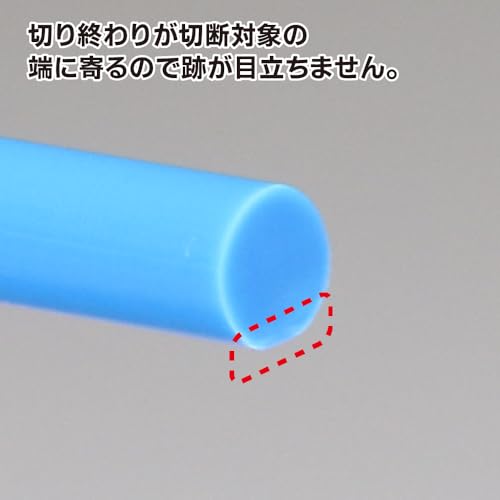
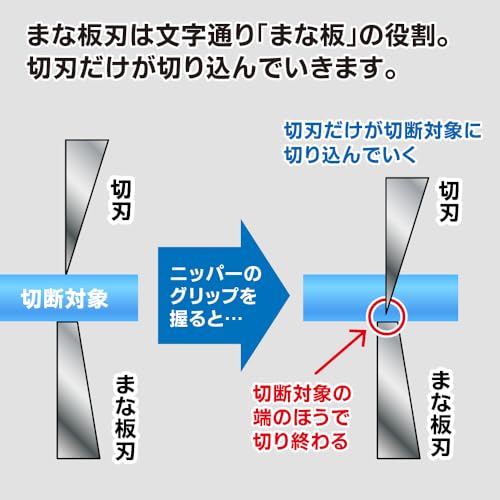
GodHand makes the SPN-120 in Japan with a single, ultra-thin blade that presses against a flat anvil. The listing is clear about what that is for: clean cuts on plastic kit gates, with less cleanup afterward, which matters most when you leave the plastic unpainted.

What you get
It is 120 mm long, about 60 g, and ships with a protective cap. The maker limits it to PS, PP, ABS and PE gates up to 3 mm, and clear PS to 1 mm because it is harder.
Here is what the box holds, per the listing:
- Nipper
- Protective blade cap
Great if you…
- You build often and keep kits unpainted
- You already use a two-pass cutting method
- You will store it capped and use it only on gates
Skip it if…
- You are building your first kit
- You want one tool for everything, including thick runners
The catch
Fragility and price. A blade this thin chips if you cut thick sprue, metal or clear parts beyond the stated limit, and it costs several times a starter nipper. Our formula prices that in: the DSPIAE ST-A 3.0 scores higher because it cuts the same kind of gate for much less.
How do you get the most from the SPN-120?
Use it only for the final cut. Take the part off the runner with a cheaper nipper first, leaving a few millimeters of gate, then let the SPN-120 trim flush with its flat side against the part. That keeps the thin blade away from thick runner plastic, which is what chips it, and gives you the gate it is famous for.
Respect the maker's limits: plastic gates up to 3 mm, clear parts only up to 1 mm, never metal or resin. Put the cap back every time, and do not drop it, since the blade is the fragile part. A tiny drop of light oil on the hinge once in a while keeps the action smooth. Treated that way, builders keep theirs for years.
Is it worth the jump from a forty-dollar single blade? For someone who builds a kit a month and leaves the plastic bare, many say yes: the cut is a touch cleaner and the action feels lighter after hundreds of gates. For someone who paints and sands anyway, the difference mostly disappears under primer, and the money is better spent on a kit.
How should you use a hobby nipper?
Cut the part off the runner a few millimeters away first, then trim the remaining gate flush with the flat side of the nipper against the part. This two-pass cut is what keeps white stress marks away, whatever nipper you use.
Never cut metal, wire or thick runner plastic with a fine blade, and keep the cap on when you put it away. A good nipper lasts years if it only meets kit gates.
The verdict
Excellent at what it does, if you treat it gently. Pair it with a cheap nipper for the rough cuts.
Price on November 24, 2026, may have changed.

